Aluminum Foundry Automation Upgrades Shaping the Industry
The Duty of CNC Finishing in Enhancing Light Weight Aluminum Shop Castings
CNC ending up innovation greatly affects the manufacturing of light weight aluminum foundry castings. By achieving accurate machining and exceptional surface area high quality, it assists satisfy extensive market criteria. The process minimizes flaws and lessens rework, improving total item performance. Furthermore, the aesthetic quality of the castings is boosted via advanced finishing methods. Comprehending the complexities of this modern technology discloses its essential duty in modern-day production, prompting a closer exam of its applications and future advancements.
Comprehending CNC Finishing Innovation
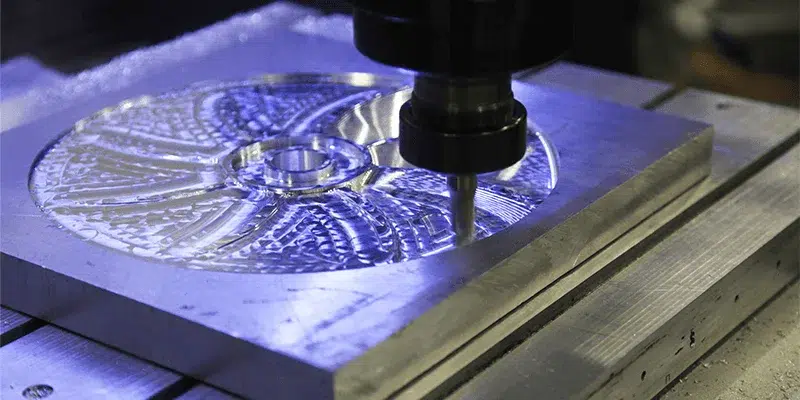
CNC completing technology stands for a considerable improvement in the precision machining of aluminum spreadings. This technology makes use of computer mathematical control (CNC) systems to automate the machining process, boosting accuracy and effectiveness. By using sophisticated software program, CNC devices can interpret complicated designs and execute elaborate cutting, drilling, and milling jobs with very little human intervention.
The technology is particularly useful in the context of light weight aluminum spreadings, which need accurate resistances and surface coatings. CNC ending up assurances that each part fulfills exact specs, minimizing the likelihood of problems and boosting total high quality. Moreover, the repeatability of CNC operations enables uniformity throughout production sets, which is important for industries requiring high standards.
As manufacturers significantly take on CNC finishing technology, they take advantage of reduced production times and constant outcomes, positioning themselves competitively on the market. This innovation notes a pivotal change in the abilities of aluminum casting processes.
Benefits of CNC Finishing for Aluminum Castings
While many machining techniques exist, the advantages of utilizing CNC completing for aluminum spreadings are especially substantial - Aluminum Casting. CNC completing offers boosted precision, making certain that components satisfy specific requirements and resistances. This degree of accuracy decreases the threat of issues, which can cause expensive rework or product failures. Additionally, CNC ending up enhances surface quality, resulting in smoother surfaces that are aesthetically pleasing and functional, especially for applications needing tight resistances
An additional advantage is the increased effectiveness in production, as CNC equipments can run continuously with marginal human treatment. This enables higher outcome and minimized labor expenses. CNC technology promotes the production of complicated geometries that might be challenging to accomplish via conventional approaches, broadening layout possibilities. Generally, the combination of CNC completing right into aluminum spreading refines not only improves item top quality yet likewise adds to functional performance and layout flexibility.
The CNC Finishing Refine Explained
The CNC completing procedure entails a series of accurate techniques made to boost the surface area top quality of aluminum castings. This area will certainly outline the numerous CNC ending up techniques, the benefits they give, and their applications within the domain of light weight aluminum castings. Comprehending these facets is vital for maximizing manufacturing and achieving preferred specifications in finished items.
CNC Finishing Techniques Overview
Precision specifies the CNC ending up procedure, where light weight aluminum spreadings undergo numerous methods to attain perfect surface high quality and dimensional precision. Usual methods include milling, turning, and grinding, each fit for certain applications. CNC milling entails getting rid of material using turning cutters, enabling detailed forms and shapes. Transforming, on the other hand, uses a turning workpiece versus a fixed cutting tool, excellent for cylindrical features. Grinding is utilized for achieving fine surface finishes and limited tolerances. Furthermore, strategies such as anodizing or polishing might be used post-machining to enhance visual appeals and protect against deterioration. Each strategy plays a crucial role in ensuring that the end product meets rigorous requirements and performance requirements in varied sectors.
Advantages of CNC Finishing
CNC ending up deals various benefits that significantly enhance the total high quality and functionality of light weight aluminum spreadings. This precision-driven procedure warranties limited resistances and superior surface area coatings, which are critical for applications requiring high performance and sturdiness. CNC completing decreases the threat of human mistake, giving constant outcomes across several components. The automation of the ending up process not just enhances efficiency but also reduces manufacturing prices by lessening material waste. Additionally, CNC finishing enables intricate geometries and intricate styles to be attained, broadening the style possibilities for developers and designers. Additionally, the boosted surface area quality originated from CNC strategies enhances the aesthetic allure of the castings while likewise advertising better attachment for therapies and coverings, causing longer-lasting products.
Applications in Aluminum Castings
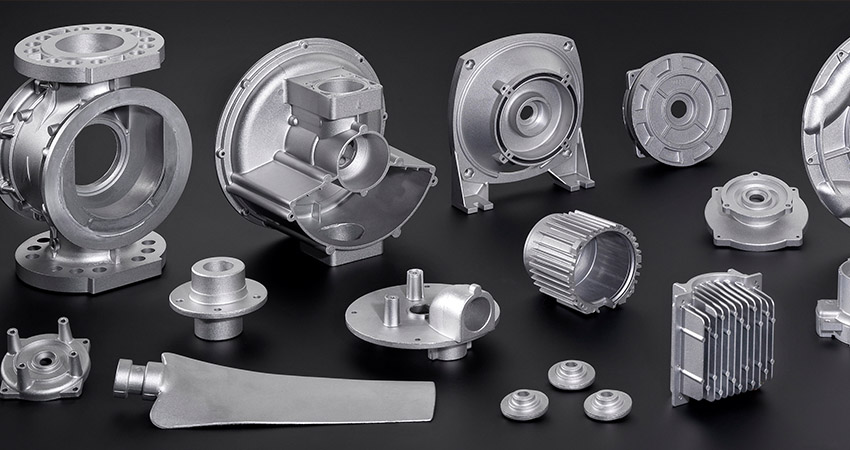
Applications for light weight aluminum spreadings profit substantially from the CNC ending up procedure, which improves both performance and performance. This technology is crucial in sectors such as automobile and aerospace, where accuracy and toughness are critical. CNC completing permits the manufacturing of tight resistances and complex styles, making sure that cast elements fit effortlessly right into bigger assemblies. Furthermore, the procedure improves surface quality, causing minimized friction and wear, which is specifically beneficial for moving parts. The capacity to produce complex geometries additionally opens up possibilities for lightweight structures, which add to general power efficiency. Inevitably, CNC finishing not only elevates the visual appeal of aluminum castings but likewise enhances their functional effectiveness, making it an important possession in modern-day manufacturing.
Quality Assurance Steps in CNC Finishing
Quality control steps are essential in CNC completing to ensure the integrity and accuracy of light weight aluminum castings. Strategies such as precision dimension, surface honesty evaluation, and problem discovery play a crucial function in maintaining high standards throughout the completing process. Executing these measures assists to determine and rectify potential concerns prior to final manufacturing, eventually enhancing product quality.
Precision Measurement Strategies
Effective precision measurement strategies are essential for ensuring the highest possible criteria in light weight aluminum spreading finishes. These techniques involve using sophisticated devices such as coordinate gauging equipments (CMMs), laser scanning, and optical comparators to achieve accurate dimensional evaluations. By using these approaches, manufacturers can spot inconsistencies in tolerances and maintain consistency across production runs. Additionally, the integration of digital measurement systems boosts real-time tracking, allowing for immediate changes throughout the CNC completing process. This aggressive approach not only reduces scrap prices yet additionally boosts total item high quality. Applying rigorous dimension methods ensures that castings meet rigid requirements, therefore promoting self-confidence in the long run item and reinforcing the online reputation of the shop in an affordable market.
Surface Area Integrity Evaluation
Defect Discovery Methods
Various flaw detection methods are used in CNC ending up to ensure light weight aluminum spreadings satisfy rigorous quality requirements. Aesthetic inspection continues to be an essential strategy, enabling operators to determine surface area abnormalities and inconsistencies. In enhancement, non-destructive screening (NDT) methods, such as eddy and ultrasonic current screening, are made use of to detect subsurface defects without endangering the integrity of the elements. Automated optical evaluation systems also improve issue discovery by employing sophisticated imaging innovation to examine surface characteristics. Dimensional evaluation using coordinate determining devices (CMM) guarantees that castings adhere to specific requirements. Aluminum Casting Company. By integrating these different techniques, CNC completing processes can efficiently determine and attend to prospective flaws, eventually enhancing product top quality and performance, while ensuring conformity with sector standards
Case Researches: Effective Applications of CNC Finishing
As sectors progressively require precision and quality in aluminum spreadings, effective applications of CNC completing have arised as critical case studies. One noteworthy example is the automotive sector, where makers applied CNC ending up to produce intricate get rid of limited tolerances. This strategy decreased the requirement for manual completing, reduced manufacturing time, and boosted total part efficiency.
In aerospace, a leading business adopted CNC ending up to refine intricate components, causing lighter structures without endangering strength. The accuracy achieved via CNC technology permitted for extra reliable assembly processes and improved the rules of aerodynamics.
In addition, a clinical device manufacturer utilized CNC ending up to create aluminum housings for surgical instruments. The smooth and precise surfaces not only satisfied stringent regulative demands however also enhanced the tools' functionality and durability - Precision Aluminum Casting. These situation researches highlight how CNC completing greatly enhances the quality and performance of light weight aluminum spreadings throughout numerous industries
Future Patterns in CNC Finishing for Light Weight Aluminum Foundries
The innovations in CNC ending up technology are poised to considerably affect light weight aluminum factories in the coming years. Boosted automation and the combination of fabricated knowledge will certainly enable even more exact and efficient machining processes. This shift will certainly allow foundries to create complex geometries with decreased cycle times, improving efficiency and lessening waste.
Furthermore, the increase of additive manufacturing methods, such as 3D printing, is anticipated to match CNC completing, using ingenious solutions for detailed design needs. As sustainability becomes a priority, environment-friendly machining methods and making use of recyclable materials will likely acquire traction in the sector.
Frequently Asked Inquiries
Exactly How Does CNC Finishing Effect the Overall Expense of Light Weight Aluminum Castings?
CNC finishing can substantially impact the overall price of aluminum castings by boosting production performance and minimizing material waste. The first financial investment in CNC innovation may raise upfront expenses, stabilizing long-lasting financial savings against short-term expenditures.
What Materials Can CNC Finishing Be Applied to Besides Light weight aluminum?
CNC completing can be put on different materials besides aluminum, including steel, brass, copper, plastics, titanium, and compounds. Each material advantages in a different way from CNC procedures, improving accuracy, surface top quality, and overall item efficiency.
Is CNC Finishing Ecologically Friendly?
CNC finishing is normally taken into consideration eco-friendly, as it lessens product waste through accuracy machining. In addition, advancements in coolant and lubrication innovations even more reduce ecological effect, promoting a more sustainable production procedure on the whole.

How much time Does the CNC Finishing Refine Typically Take?
The CNC ending up process commonly takes anywhere from a few hours to a number of days, depending upon the complexity of the Aluminum Casting part, the material being refined, and the specific demands of the ending up tasks included.
What Safety And Security Steps Are Essential During CNC Finishing Workflow?
Crucial precaution throughout CNC ending up operations include using individual safety tools, ensuring correct equipment protecting, preserving a clean office, sticking to secure handling treatments for materials, and carrying out routine devices assessments to protect against crashes.
The CNC ending up process involves a series of precise strategies developed to enhance the surface area top quality of aluminum castings. Precision defines the CNC ending up procedure, where aluminum spreadings go through different strategies to attain ideal surface area top quality and dimensional accuracy. CNC finishing offers various advantages that considerably enhance the total quality and functionality of light weight aluminum spreadings. Applications for light weight aluminum castings profit greatly from the CNC ending up procedure, which improves both functionality and efficiency. Surface honesty assessment plays an important function in ensuring that CNC completing processes produce high-quality light weight aluminum spreadings.